
Have you noticed your body saying hello a little louder lately?
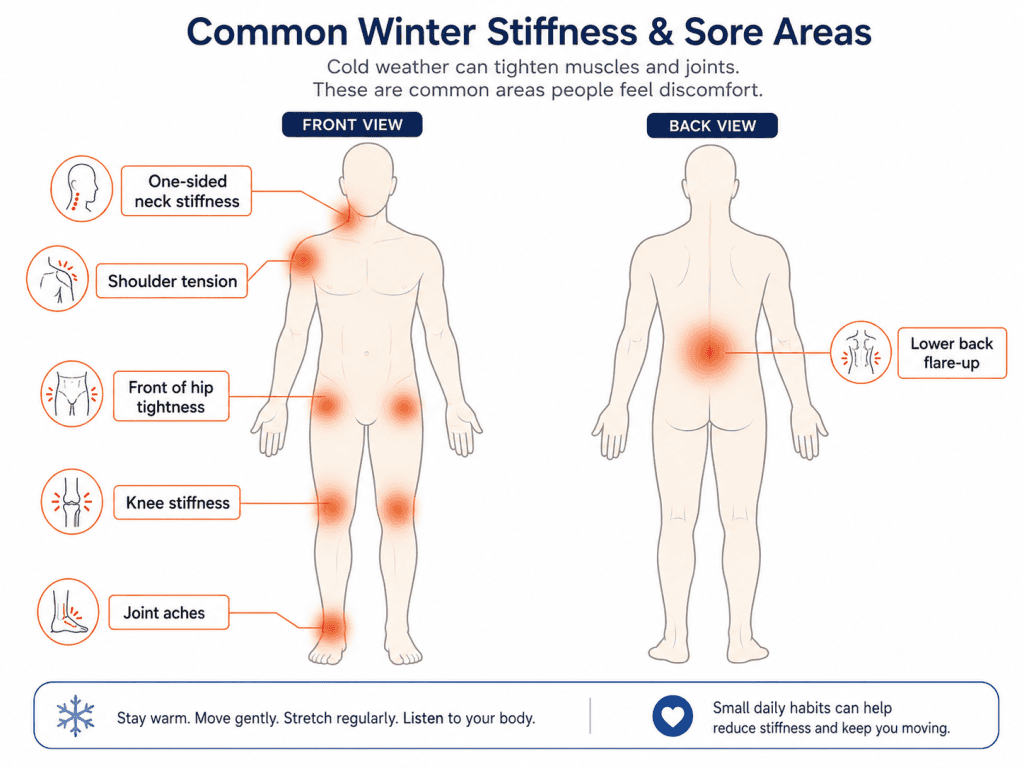
One side of your neck feels tighter than usual. Your lower back starts flaring up again. Your hips feel stuck when you stand up. Old joint stiffness that had gone quiet over summer suddenly starts making itself known.
That is winter stiffness.
It is not always dramatic. It might just be that your head does not turn as freely when reversing the car. Or you feel one hip catching when you get out of your chair. Or your lower back feels deeper and heavier in the morning.
The colder days can make you more aware of what your body has been holding onto.
Why do we feel stiffer in winter?
In winter, we usually move less.
We sit longer, stay indoors more, skip walks, rush through the cold and often hold more tension without noticing. Your body also tends to tighten up when it is cold. That can make muscles, joints and old stiff spots feel more restricted than they did in warmer weather.
This does not mean the weather is the only cause.
Most of the time, winter just brings attention back to what was already there.
That tight neck from your phone and laptop use. That lower back stiffness from long desk hours. Those hips that have been sitting in the same shortened position all day. That old shoulder, knee or joint that only speaks up when your body has not moved enough.
Winter has a way of making these things harder to ignore.
Watch for these winter stiffness signs
Over the next week or two, pay attention to your body.
Notice if you feel:
- One-sided neck stiffness
- A deeper ache through the lower back
- Tightness at the front of the hip
- Shoulders sitting higher than usual
- Knees or joints feeling stiff when you stand
- Old stiffness coming back
- Less freedom when turning, bending or reaching
- A feeling that your body takes longer to warm up
These are not signs to panic over.
They are signs to listen.
Your body might be asking for more movement, more range and more attention before the stiffness becomes your new normal.
Your neck stiffness probably is not random
A stiff neck in winter is easy to blame on sleeping funny.
Sometimes that may be part of it, but often the story started earlier.
Phone posture, laptop use and desk work can pull your head forward, round your shoulders and lock up your upper back. When that happens, your neck works harder to hold everything together.
Then the cold weather comes in and the restriction feels sharper.
You might notice you cannot fully turn your head one way, or one side feels more blocked than the other.
That is usually not something that appeared overnight. It is tension that has been building quietly.
Your lower back might be pointing to your hips
If your lower back keeps flaring up in winter, do not only look at your back.
Look at your hips.
When you sit for long periods, your hips stay in a shortened position. Over time, the front of the hip can feel tight, and that can change how your pelvis and lower back move.
So you stretch your back, crack your back, roll your back, and the same stiffness keeps returning.
You may be treating the place that complains, not the area that is contributing to the complaint.
If you have good body awareness, you may feel this as tightness at the front of the hip rather than only in the lower back.
That is a useful clue.
How stretching helps in winter
Stretching helps by giving your body the movement range it has not been using.
It is not about forcing yourself into a position. It is not about touching your toes. And it should not feel like punishment.
Good stretching helps your body open up gradually.
It can help you:
- Move through a better range
- Feel less restricted after sitting
- Notice where one side is tighter
- Warm the body up before activity
- Feel more confident bending, reaching and turning
- Bring awareness back to areas you have been ignoring
In simple terms, stretching reminds your body that it has more options.
That is especially useful in winter, when we naturally tend to move less and hold more tension.
How to relieve winter stiffness
Start small.
You do not need a full workout every time you feel stiff. You need regular movement that your body can trust.
Try this:
- Move your neck slowly from side to side
- Roll your shoulders back and down
- Stand up every 30 to 60 minutes
- Take a short walk during the day
- Stretch the front of your hips after sitting
- Add gentle lower back rotations
- Keep your body warm before stretching
- Avoid forcing through sharp pain
The key is consistency.
A quick stretch once a week will not undo hours of sitting, cold weather and built-up tension. But regular movement gives your body a better chance to feel open and capable.
How StretchWorks helps
At StretchWorks, we work with your body, not against it.
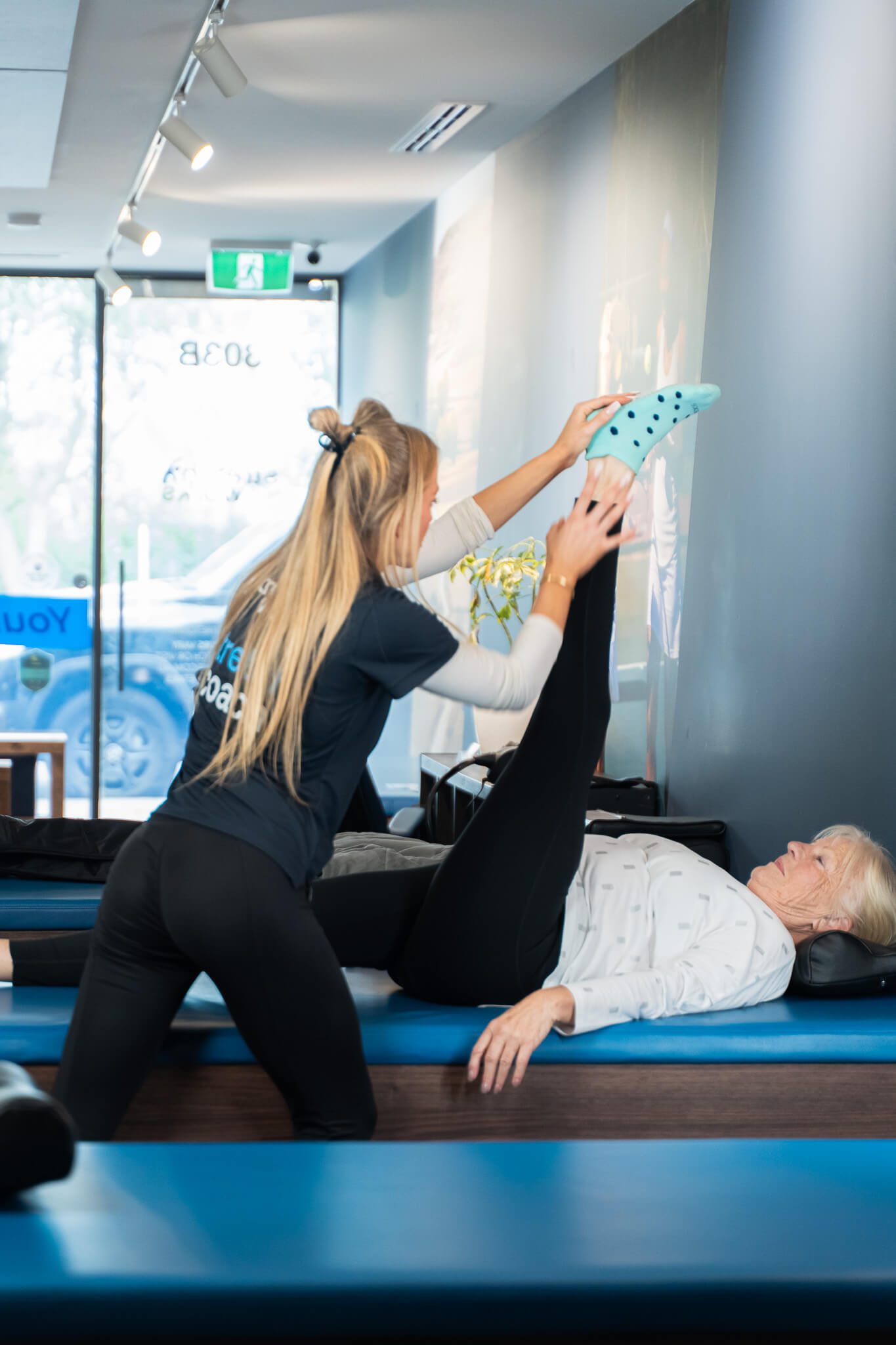
Our assisted stretching sessions help target the areas that are holding you back, whether that is your neck, shoulders, lower back, hips or joints that feel stiffer in winter.
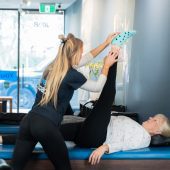
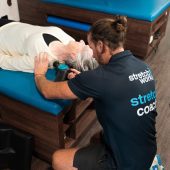
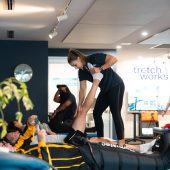
A Stretch Coach guides the movement, supports your body and helps you understand where the restriction may be coming from. The aim is not to push you through discomfort. It is to help you move better, feel more aware and rebuild trust in your body one movement at a time.
So if winter has made your body feel older than it should, start paying attention now.
Your neck, back, hips and joints might simply be asking for movement again.
And with the right support, your body can start feeling a little more summer-like, even in winter.
Call 0468 021 079 or visit StretchWorks in Black Rock, Melbourne to book your assisted stretching session.
FAQs
Why do we feel stiffer in winter?
Many people move less in winter, spend more time sitting and hold more tension in the cold. This can make existing stiffness in the neck, lower back, hips and joints feel more noticeable.
How can I relieve winter stiffness?
Start with gentle movement, regular stretching, short walks, warmth and breaking up long periods of sitting. If the stiffness keeps returning, guided assisted stretching may help you understand where the restriction is coming from.
Why does my lower back get worse in winter?
Lower back stiffness may feel worse when you move less or sit for longer. Sometimes the hips are part of the issue, especially if you feel tightness at the front of the hip after sitting.
Can assisted stretching help with winter stiffness?
Assisted stretching can help you explore movement safely, target restricted areas and improve body awareness. It is not a replacement for medical treatment, but it can support general mobility and flexibility.
When should I seek medical advice?
Seek medical advice if you have sharp pain, numbness, weakness, swelling, recent injury, pain that is worsening or symptoms that affect your normal daily function.